

Plenty of creators post regularly and still feel as though their account does not quite add up to anything recognizable.
One day it is a morning-routine vlog, the next a roundup of favorite products, and the day after that a quick reaction to whatever is trending. Each post might be perfectly good on its own. Seen together, though, they do not always tell people what the account is really about, or why they should come back.
A personal brand is not the same thing as using one cover template everywhere. It forms gradually, as people begin to recognize what you pay attention to, how you talk about it, and the point of view that runs through your work.
Wery.ai can help bring those pieces together, from finding the themes already hiding in your content to shaping the writing, visuals, and formats around them.

Find the Pattern in What You Already Make
Before changing your bio or choosing a new color palette, go back through the work you have already published.
Look at your recent posts and notice what keeps showing up. Maybe there is a topic you return to without planning to. Maybe one kind of post gets people talking or brings in more saves. Sometimes the clearest clue is in the comments, where the same question keeps appearing under posts that seem unrelated.
A morning vlog, a productivity update, a low-energy day, and a failed attempt at building a new habit do not immediately look like a series. But they may all be circling the same tension: wanting to improve while finding it hard to stay consistent.
That says much more about an account than "I post about lifestyle and productivity." It gives people a clearer sense of the conversation they are joining.
The pattern can show up in any creative field. A photographer may be less interested in simply sharing photos than in making ordinary moments feel cinematic. A designer may keep finding ways to make everyday content look intentional without making it feel overproduced. You do not need to squeeze yourself into a neat category. Pay attention to the question you keep coming back to.
Doi can surface recurring audience questions and conversations around your niche, making it easier to see where your own ideas fit and which angles still feel open.
Turn One Core Idea into More Content
Once you know what sits at the center of the account, coming up with ideas becomes less exhausting. Instead of inventing a completely different topic every day, you can explore the same core idea from a few reliable directions.
For an account about wanting to change but struggling to stay consistent, those directions might be:
- Why plans fall apart after a few days
- What an imperfect but honest day looks like
- How to reset after falling off track
- Small things that still feel possible on a low-energy day
Each direction can keep branching out. A post about consistency might become one about giving up when work gets busy, letting one bad day derail the week, or always waiting until Monday to start over.
A format that feels natural can also become a recurring series. It does not need a rigid formula, but a familiar title, opening, or visual cue helps people recognize that the posts belong together.
And when an idea lands, there is no need to leave it behind after one post. Read the comments, notice what people saved or repeated back to you, and take the strongest part a little further. Going deeper on something people already care about is often more useful than constantly chasing a brand-new topic.
Don't Polish Away Your Natural Voice
The subject matters, but so does the way you talk about it.
Some creators get straight to the point. Others begin with a personal story, a complaint, or a question they have been turning over for a while. Look at the posts that feel most like you. How do they usually begin? Are you better at telling a story or breaking down a method? Do people respond only to the information, or to the way you make it feel familiar?
If your natural opening is, "Why do you keep saying you will wake up early, then give up three days later?" do not force it into "Three Ways to Completely Change Your Life" just because the second version sounds more like a viral headline.
Nolan can help turn a rough idea into a script, article, or visual post while leaving room for your phrasing, point of view, and real experiences. A stronger structure should make your voice easier to follow, not replace it.
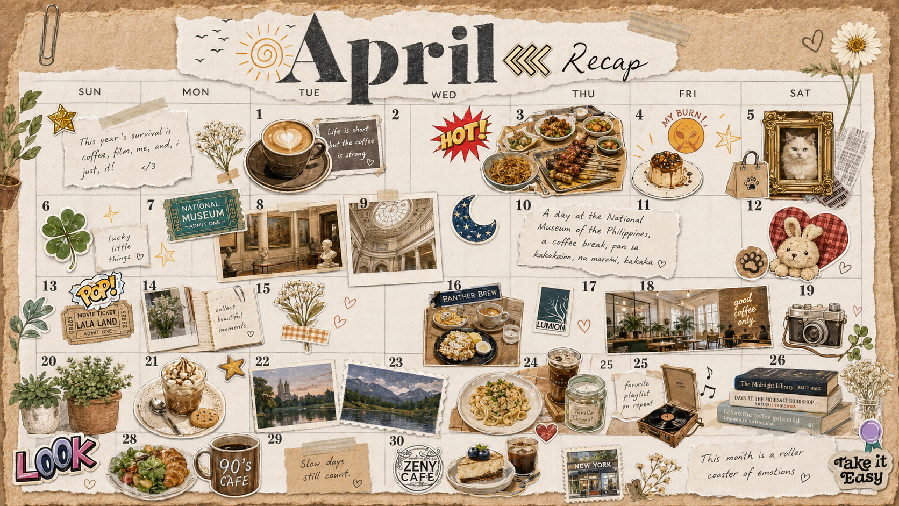
Make Your Content Look Connected, Not Identical
Visual consistency is much easier to work on once the content itself has a direction. Most independent creators do not need a full brand manual. A few repeated choices, including colors, title placement, cover composition, type hierarchy, and the way you use space, are usually enough.
Zeny can build on covers and graphics you already like, so thumbnails, carousel posts, quote cards, and Pinterest images share some visual DNA. They do not need to match exactly. They just need enough in common to feel as though they came from the same creator.
The same applies to video. A familiar opening pace, subtitle position, balance of on-camera and supporting footage, and overall level of polish can become part of how people recognize the account. If your content is built around honest, everyday documentation, sudden flashes and dramatic transitions will probably feel out of place.
When you need extra footage, Vlo can add subtle movement to existing images and help them sit naturally inside the edit without pulling attention away from the story.
Adapt the Format, Keep the Idea
The same idea can become a YouTube video, a Reel, an Instagram carousel, a Pinterest graphic, or a short text post for X or LinkedIn. What changes is the length, shape, and amount of detail, not the point you are trying to make.
The agents inside Wery.ai can support different parts of that process. Doi can gather the questions people are asking, Nolan can shape one angle into a clear structure, Zeny can carry the visual direction across formats, and Vlo can add motion when it is useful.
In practice, you may only need one part of the workflow: a better cover, a clearer script, or a follow-up idea pulled from the comments. The process should fit the content, not become another routine you have to complete for its own sake.
Start with What Is Already There
A personal brand rarely arrives as one big decision. It becomes more recognizable as you keep choosing the subjects you genuinely care about, speak in a way that feels natural, and let the visual details become more consistent over time.
When you are not sure where to begin, open your ten most recent posts. Look for the questions, phrases, formats, and visual choices that keep returning. Some will be accidental. A few will feel worth building on.
People may never know which tools helped you make the work. What they remember is the idea you kept returning to, and the reason they wanted to hear your take on it again.