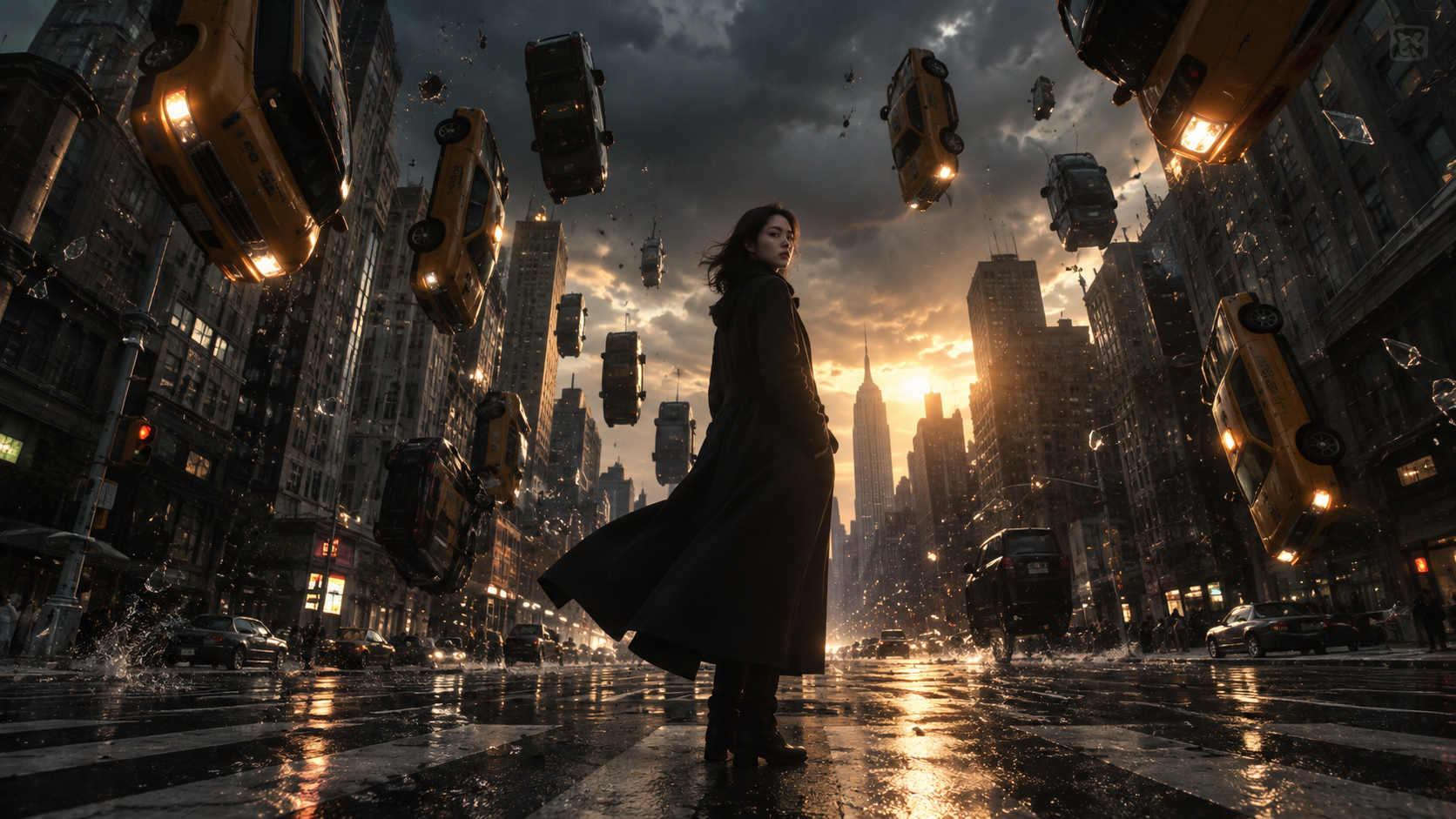
Midjourney is still one of the most recognizable AI image generators in 2026. Its strength is easy to understand: type a prompt, and it can turn relatively loose art direction into polished, cinematic, highly stylized images.
But image quality is no longer the only reason to choose an AI creative tool. Some creators need better typography. Others need precise conversational editing, reusable characters, API access, brand assets, video generation, or a workflow that does not stop after producing one image.
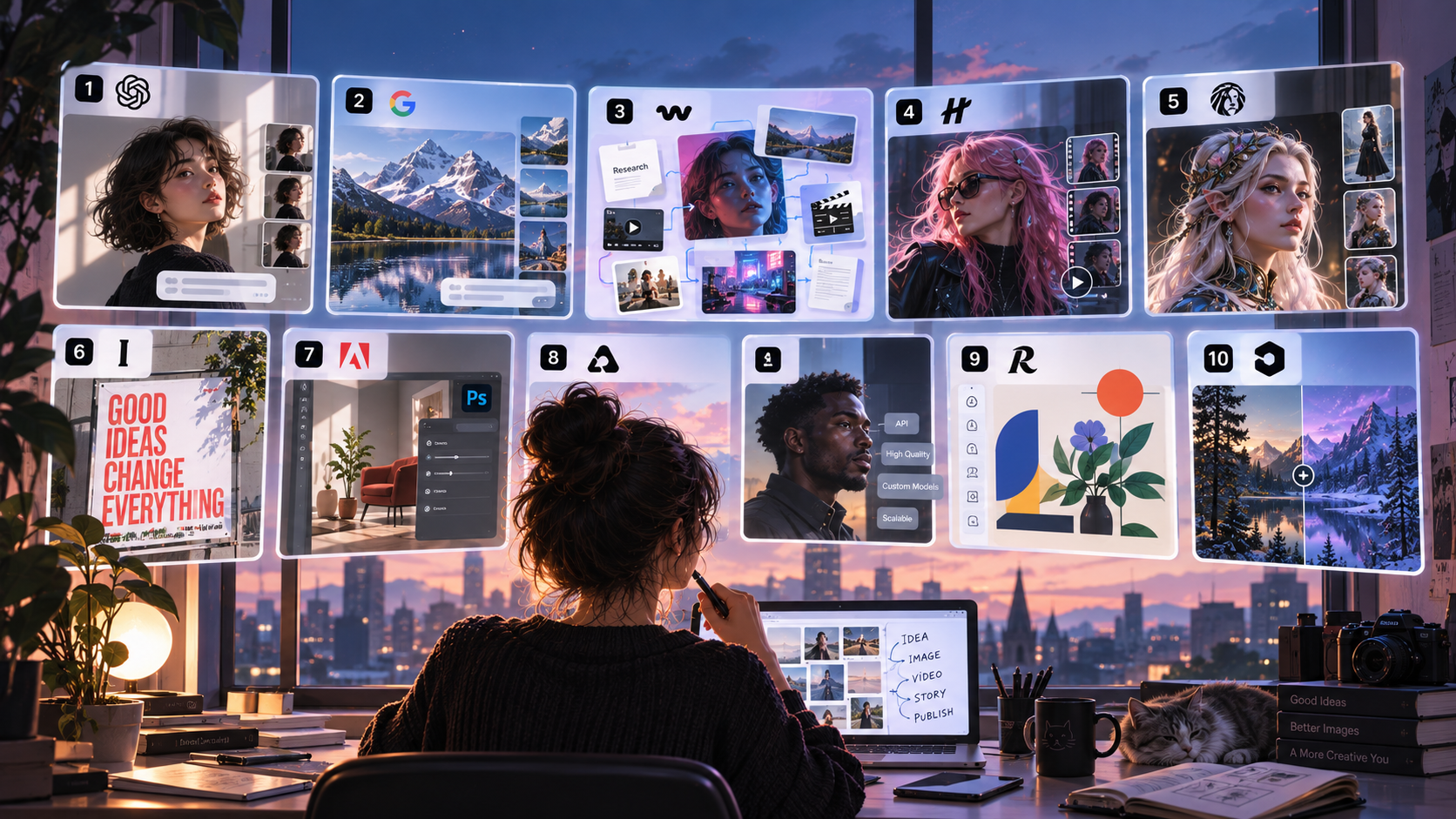
The best Midjourney alternatives in 2026 are ChatGPT Images, Google Gemini, Wery.ai, Higgsfield, Leonardo.Ai, Ideogram, Adobe Firefly, FLUX, Recraft, and Krea. They overlap with Midjourney in image generation, but each approaches creative work differently.
Why Look for a Midjourney Alternative?
Midjourney remains especially strong for visual exploration, concept art, stylized photography, moodboards, and images where overall aesthetic quality matters more than production workflow.
The reasons to look elsewhere are usually more practical. You may want to:
- edit an existing image through natural-language instructions;
- generate readable text for posters or ads;
- maintain the same character across multiple scenes;
- work with several image models instead of committing to one;
- turn an image into a video;
- generate design assets such as vectors and logos;
- connect image generation to an API or automated workflow;
- or manage research, scripts, images, video, and other creative assets in one project.
The Best Midjourney Alternatives at a Glance
| Tool | Best for | Main advantage over Midjourney |
|---|---|---|
| ChatGPT Images | Conversational creation | Natural-language editing and iteration |
| Google Gemini | Precise image edits | Strong multimodal understanding |
| Wery.ai | End-to-end creative workflows | Images connect with design, video, research, and other outputs |
| Higgsfield | AI characters and social visuals | Persistent character workflows and cinematic creation |
| Leonardo.Ai | Character and concept art | Custom models and creator controls |
| Ideogram | Text inside images | Strong typography and graphic layouts |
| Adobe Firefly | Professional Adobe workflows | Photoshop integration and commercial-oriented workflow |
| FLUX | Photorealism and developer pipelines | Model flexibility and API deployment |
| Recraft | Graphic design and vectors | Native design-oriented assets |
| Krea | Fast visual exploration | Real-time generation and interactive iteration |
There is no universal replacement for Midjourney. The better question is what happens after the first image is generated.
1. ChatGPT Images: Best for Conversational Image Creation
ChatGPT Images takes a very different approach from Midjourney. Instead of treating every generation as a new prompt-writing exercise, you can work conversationally: make the room darker, keep the subject the same, replace an object, change an outfit, or adapt the composition for a new format.
That workflow is particularly useful when you already know roughly what you want but expect to make several rounds of revisions. ChatGPT can also work from uploaded reference images and handle instructions involving multiple objects, visual relationships, layout changes, and text.
The advantage over Midjourney is therefore less about having a distinctive house style and more about instruction following and iterative editing.
Best for
- conversational image editing
- marketers and general users
- quickly iterating on an existing idea
- combining text reasoning with visual creation
- creators who do not want to learn complex prompt syntax
What to keep in mind
Midjourney still offers stronger style-driven exploration in many artistic use cases. ChatGPT is usually more attractive when you want to describe changes directly instead of repeatedly engineering a prompt.
2. Google Gemini: Best for Precise Multimodal Edits
Gemini is another strong Midjourney alternative for creators who value editing more than pure visual exploration. Google’s image capabilities are integrated into a multimodal assistant, so the model can reason about an uploaded image before modifying it.
This is useful for tasks such as changing an object, outfit, material, environment, or lighting while trying to preserve the rest of the composition. Instead of starting over, the workflow feels closer to telling an editor what should change.
Best for
- reference-based image editing
- product and lifestyle variations
- creators already using Google’s AI ecosystem
- natural-language visual revisions
What to keep in mind
If your main goal is discovering highly stylized visual directions from short prompts, Midjourney’s aesthetic exploration can still be more compelling.
3. Wery.ai: Best for Turning an Image Idea Into a Full Creative Project
Wery.ai differs from most Midjourney alternatives on this list because image generation is only one part of the workflow. Its image-focused expert, Zeny, can generate and edit visuals, create posters and logos, modify UI concepts, and develop brand assets. A project can also move between specialized workflows for research, writing, image creation, video planning, video generation, post-production, presentations, and other deliverables.
That matters when the actual task is larger than “generate me an image.” A creator might instead start with a campaign concept, then need research and positioning, copy, key visuals, social assets, a video concept, shot planning, and final promotional material.
Midjourney can be excellent at generating the hero visual. Wery is designed for cases where the hero visual is only one step in a larger creative process.
Best for
- multi-step creative projects
- content creators and small creative teams
- visual campaigns
- turning ideas into images and then into video
- research-to-creative workflows
- users who do not want to move assets manually between several AI tools
What to keep in mind
Choose Midjourney when the image itself is the destination. Choose Wery when the image is part of a larger destination.
4. Higgsfield: Best for Consistent AI Characters and Cinematic Content
Higgsfield has expanded beyond basic image generation into a broader AI-native visual creation suite. One of its defining features is its focus on repeatable characters and social-ready imagery.
Its character workflows are useful for virtual influencers, recurring campaign characters, fashion shoots, character-driven social accounts, and cinematic image-to-video content.
Best for
- AI influencers
- recurring characters
- fashion and lifestyle imagery
- cinematic social content
- image-to-video workflows
What to keep in mind
The product includes many tools and creative controls, so it can take longer to learn than a simple text-to-image interface.
5. Leonardo.Ai: Best for Character Art and Custom Models
Leonardo.Ai has long occupied the space between a consumer image generator and a more controllable production platform. It is popular among game artists, concept artists, illustrators, and creators who need greater control over styles and characters.
A major difference from Midjourney is the ability to work with custom-trained visual models and more production-oriented controls. That is useful when you are not merely searching for a beautiful image but trying to reproduce a specific visual identity repeatedly.
Best for
- game assets
- fantasy and character art
- concept design
- custom visual styles
- repeated character generation
What to keep in mind
Leonardo exposes more controls than Midjourney, which is an advantage for production work but can make the experience feel more complicated.
6. Ideogram: Best for Text Inside Images
If you have ever asked an image generator to create a poster only to receive beautifully rendered nonsense typography, Ideogram exists largely to solve that problem. Its strongest use cases include posters, social graphics, advertisements, packaging concepts, signs, thumbnails, and other compositions where words are part of the design.
This makes it one of the clearest Midjourney alternatives for graphic rather than purely artistic work.
Best for
- advertising visuals
- posters
- thumbnails
- typography
- packaging mockups
- images containing headlines or labels
What to keep in mind
For atmospheric illustrations or cinematic standalone art, Midjourney may still produce a more immediately recognizable aesthetic. Ideogram’s advantage becomes much clearer once text becomes part of the actual image.
7. Adobe Firefly: Best for Adobe Creative Cloud Workflows
Adobe Firefly makes the most sense when AI generation is only the beginning of the design process. Instead of exporting an image from one AI platform and rebuilding it elsewhere, Firefly features are integrated into applications such as Photoshop, Illustrator, and Adobe Express.
That allows AI-generated elements to become part of a traditional professional editing workflow.
Best for
- professional designers
- marketing teams
- Photoshop users
- commercial creative workflows
- AI-assisted photo editing
- existing Adobe Creative Cloud users
What to keep in mind
Firefly’s strength is workflow integration rather than having the most distinctive visual style.
8. FLUX: Best for Photorealism and Developer Workflows
FLUX is less of a single consumer application and more of a family of image models. Many creators use FLUX through third-party applications, APIs, hosted services, or custom workflows rather than through one canonical interface.
Its strengths include photorealism, prompt adherence, developer access, and the ability to become part of custom production pipelines. Some variants can also support advanced customization and fine-tuning workflows.
Best for
- developers
- automated image pipelines
- photorealistic generation
- customized AI applications
- teams that want model-level flexibility
What to keep in mind
Midjourney gives creators a polished creative product. FLUX gives technical users something closer to an image-generation building block.
9. Recraft: Best for Graphic Design, Vectors, and Brand Assets
Recraft is one of the strongest Midjourney alternatives when the desired output is closer to design than digital art. It is particularly useful for icons, illustrations, logos, vector graphics, brand assets, marketing designs, and repeatable visual styles.
Unlike image generators primarily optimized around raster artwork or photography, Recraft supports design-oriented outputs including vector workflows and brand systems.
Best for
- graphic designers
- brand systems
- SVG assets
- icons and illustrations
- marketing design
What to keep in mind
If you mainly want cinematic portraits, fantasy artwork, or highly atmospheric visual exploration, Midjourney is closer to that creative goal. Recraft is more compelling when the image eventually needs to function as an actual design asset.
10. Krea: Best for Real-Time Visual Exploration
Krea changes the feedback loop between prompt and image. Instead of repeatedly submitting a prompt and waiting for separate generations, its real-time creative tools allow users to manipulate visual inputs and see the output respond interactively.
That makes it especially appealing during early-stage ideation. Krea also brings multiple models and enhancement tools into one creative environment and supports additional customization options.
Best for
- rapid ideation
- designers
- live visual experimentation
- moodboards
- real-time creative exploration
- creators who frequently switch between models
What to keep in mind
Its interactive workflow is excellent for exploration, but creators focused on predictable high-volume production may prefer a more structured pipeline.
Which Midjourney Alternative Should You Choose?
The easiest way to decide is not to ask which tool is the most powerful. Ask what Midjourney is currently preventing you from doing.
If you want to edit images through conversation, try ChatGPT Images or Gemini.
If you want to take an idea beyond one image and turn it into a larger creative project, Wery.ai is designed around that multi-step workflow.
If you want persistent AI characters or influencer-style visuals, Higgsfield is worth considering.
If you create character art or custom visual models, Leonardo.Ai offers deeper creator controls.
If your image needs accurate typography, Ideogram is one of the most obvious alternatives.
If you already work in Photoshop and Creative Cloud, Adobe Firefly fits naturally into that environment.
If you are building an API or custom image pipeline, FLUX gives developers much more flexibility.
If you need vectors, icons, or brand assets, Recraft is designed for that kind of output.
If you want to explore visual ideas interactively, Krea provides one of the fastest feedback loops.
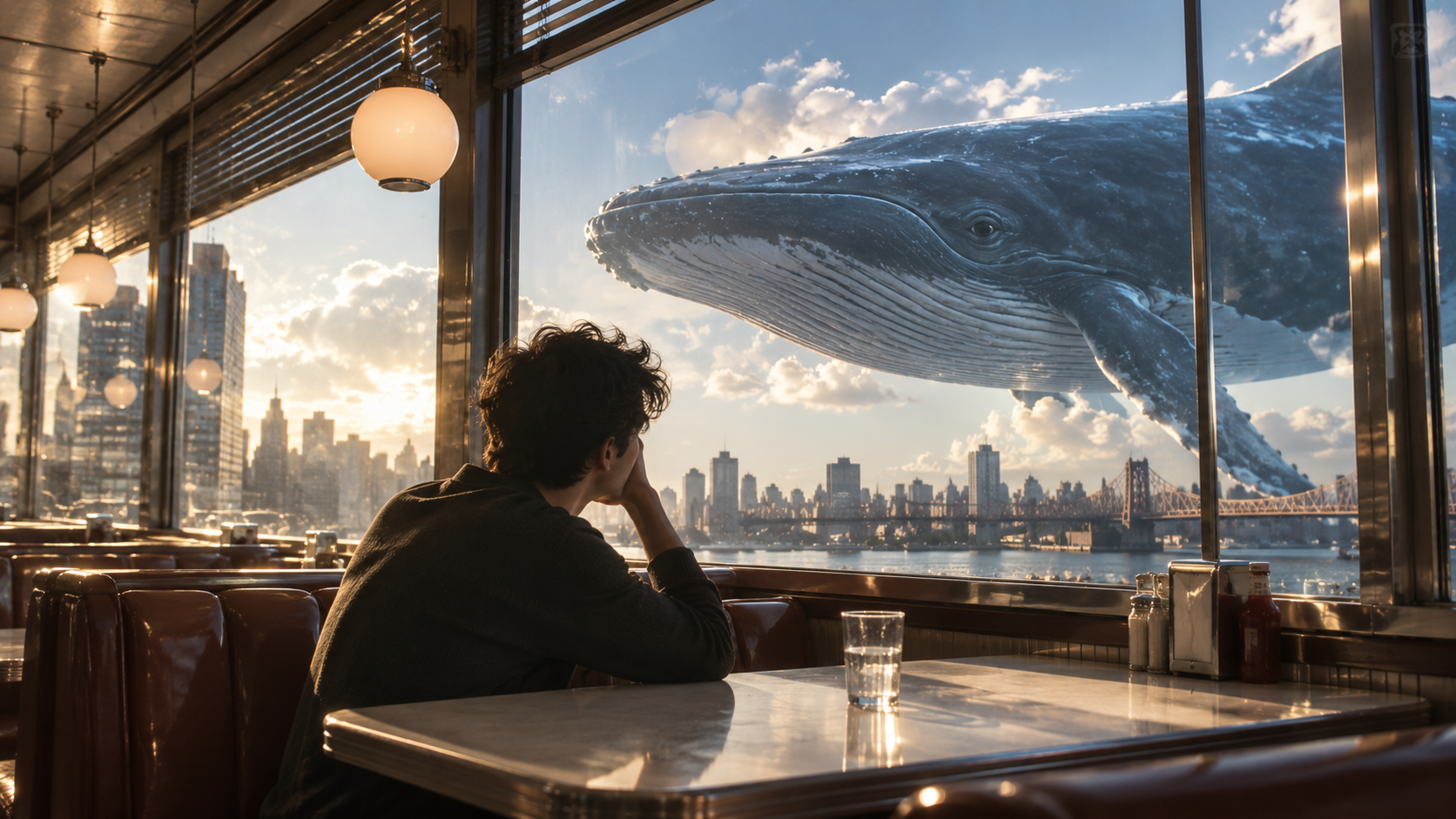
Midjourney remains excellent when the goal is simply to produce a beautiful image. But in 2026, the AI image market is increasingly moving beyond the question of who can generate the best single frame. The more useful question is what you want to do with that frame next.
FAQ
What is the best Midjourney alternative in 2026?
There is no single replacement for every Midjourney workflow. ChatGPT Images and Gemini are strong choices for conversational editing. Ideogram is particularly useful for text-heavy graphics. Recraft focuses on design assets and vectors. Higgsfield emphasizes characters and cinematic creator workflows, while Wery.ai is designed for broader creative projects that may combine research, writing, images, video, and other outputs.
Is there a free alternative to Midjourney?
Several platforms offer some form of free or limited access, although quotas and plan structures change frequently. Check the current pricing page before choosing a platform.
Which Midjourney alternative is best for text in images?
Ideogram is specifically known for generating images containing readable text, making it useful for posters, advertisements, packaging concepts, and social graphics. Newer multimodal image models have also improved substantially at typography.
Which Midjourney alternative is best for AI characters?
Higgsfield and Leonardo.Ai both offer workflows aimed at stronger character consistency. Higgsfield focuses heavily on reusable identities and creator-style character content, while Leonardo provides custom-model workflows useful for character and concept-art production.
Which Midjourney alternative is best for content creators?
If you only need images, dedicated image generators may be enough. If the same project also requires research, copy, visual assets, storyboards, video, presentations, or other deliverables, an AI creative workspace such as Wery.ai can reduce the need to move repeatedly between separate tools.
Is Wery.ai an image generator?
Image generation and editing are part of Wery.ai, but the platform is broader than a standalone image generator. Its expert workflows cover image and design creation alongside research, documents, presentations, video generation, directing, and post-production.